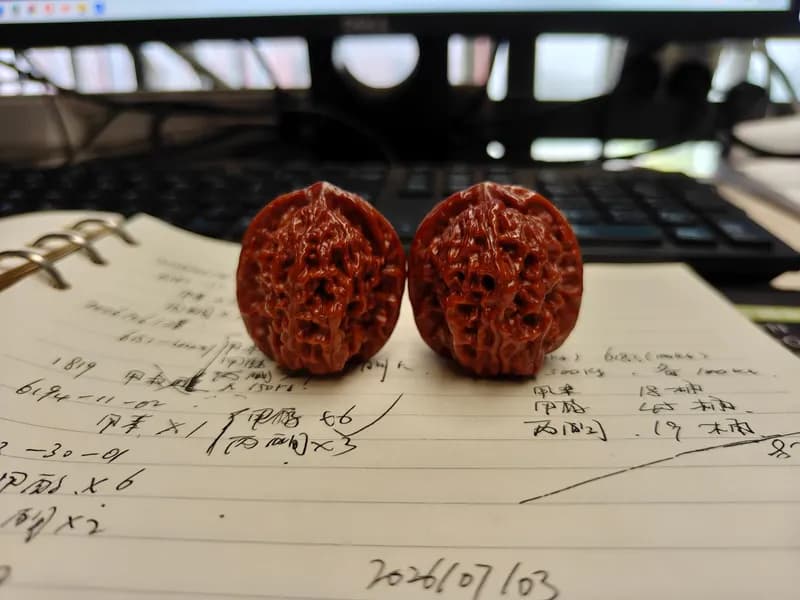
Wild
Wild Malaosi Lion’s Head
A tall, elongated wild direction with strong ridges and an emphasis on source and shell quality.
Check provenance, natural transitions and the actual shell and surface before comparing dimensions.
Read the overviewVariety Index · Wild walnuts first
Explore wild Beijing Lion’s Head, Qinhuangdao Yuanbao and other wenwan walnut varieties, with practical points for inspection.
01 / FIELD NOTES
Seed-grown walnuts have natural variation. Grafting reproduces selected traits from a mother tree; a familiar name does not establish the quality of every pair.
Our core direction is wild walnuts. Naturally shaped examples from mature grafted trees are a secondary, individually assessed direction. Neither label replaces inspection for risks, shell quality, surface quality and natural character.
An introduction to variety directions, rather than a current stock catalogue.
Wild
A tall, elongated wild direction with strong ridges and an emphasis on source and shell quality.
Check provenance, natural transitions and the actual shell and surface before comparing dimensions.
Read the overview
Wild
A classic Beijing direction with deep ridges and an emphasis on shell solidity and natural surface character.
Inspect deep ridges, maturity and whether the surface and underlying shell quality support each other.
Read the overview
Wild
Yuanbao means “ingot”. This direction has a distinctive form and a steady overall character.
Look for natural transitions in the ingot shape and harmony between the two walnuts.
Read the overview
Wild
A taller form with rich ridges. Useful for learning to assess whether the shell structure feels convincing.
A tall form alone does not establish quality. Inspect solidity, ridge continuity and natural texture.
Read the overview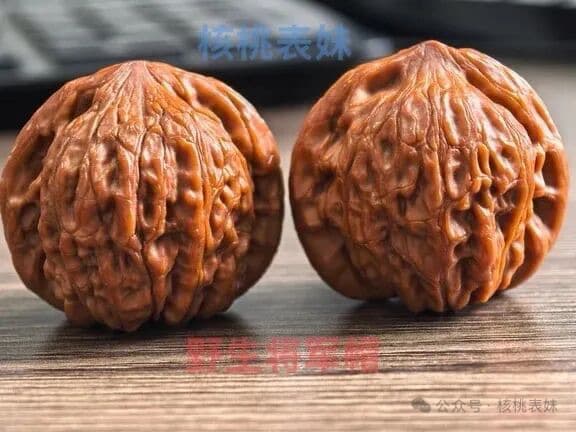
Wild
A distinctive “general’s hat” silhouette and texture that lends itself to regular brushing.
Look at natural transitions and whether the deeper grooves can be cleaned without aggressive tools.
Read the overview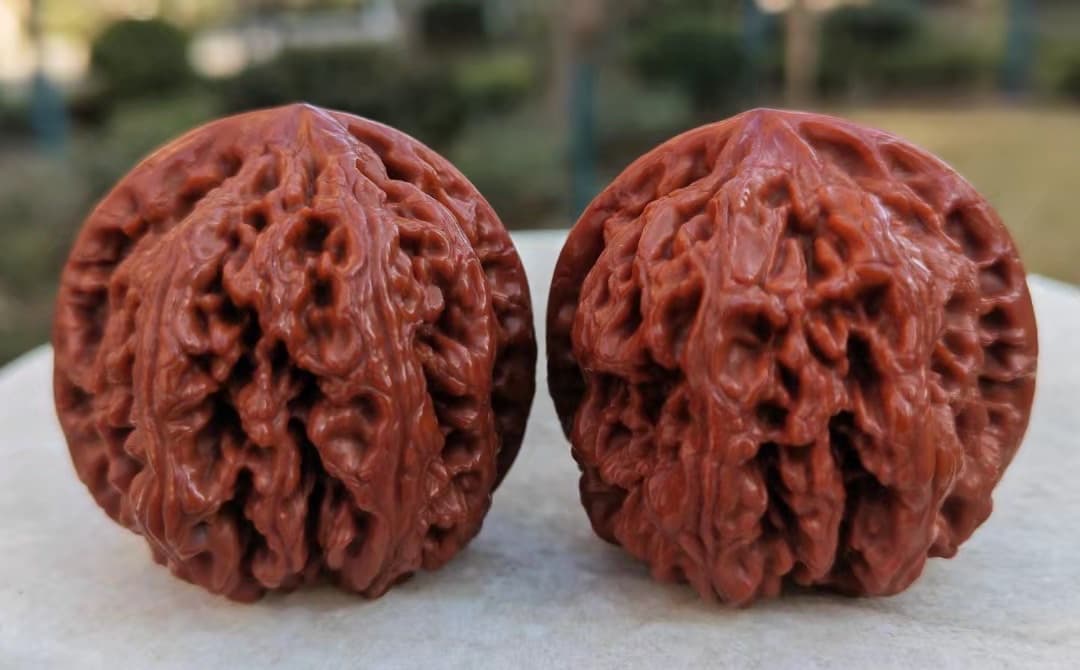
Wild
Strong natural ridges and a lion’s-head character. A direction for collectors who enjoy pronounced texture.
Strong ridges still need a sound foundation and natural surface. Allow time for patient brushing.
Read the overview
Wild
One of the brand’s wild walnut directions, assessed through source, maturity and the actual pair.
Do not confuse the name with Hama Tou. Evaluate source and shell quality before appearance or price.
Read the overview
Selected mature-tree grafted
A traditional lion’s-head name associated with Beijing’s Pinggu area. Grafted examples vary considerably.
Check source, natural shape, ridge character and shell quality. The name alone is insufficient.
Read the overview
Selected mature-tree grafted
A low, broad form with thick edges and a substantial feel. Mopan means “millstone”.
Watch for forced flattening or clamping. The tip, sides and base should transition naturally.
Read the overviewSelected mature-tree grafted
A rounded, full form. The name means “apple orchard”; it identifies a variety direction, rather than a quality grade.
Check natural colour transitions and clear ridge detail. A quick colour change is not a standalone standard.
Read the overviewA closer conversation